NGV Motori Global Inc.

Engineering from engine to application

Integrated mechanical, electronic and calibration disciplines are at the core of a reliable alternative-fuel powertrain.

Electronic control and calibration

Projects may require dedicated or mirrored control strategies, ECU selection, harness and sensor integration, injection or ignition control, diagnostics, protection functions and calibration. Supplier and licensing arrangements are project-specific.

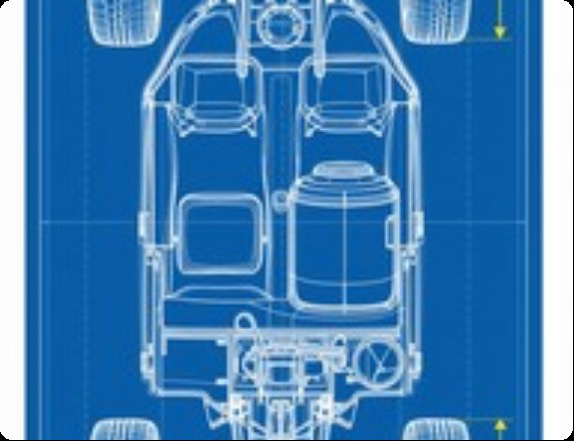
NGV Motori project reference photograph

Validation and homologation

Engine bench and vehicle testing, durability, emissions compliance and jurisdiction-specific certification are part of the engineering pathway. Certification status is tied to the precise engine, configuration and market—not the technology category as a whole.

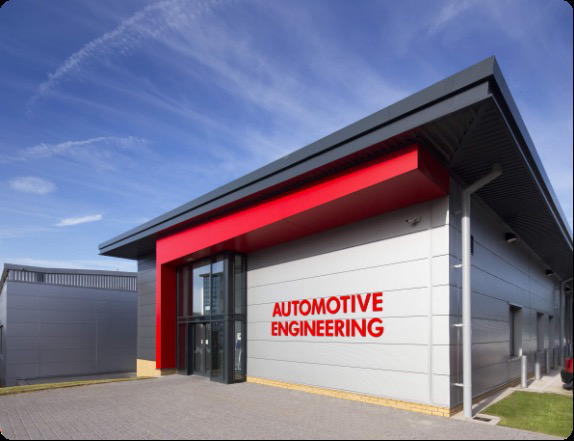
NGV Motori project reference photograph

Commercial integration

NGV’s approach combines technical development with localization, component sourcing, training and field-support planning. Detailed technical documentation is shared through appropriate commercial and confidentiality processes.

Technical depth & experience

Engineering capabilities across the full system

Engine and combustion engineering

Application studies cover base-engine characterization, gas-fuel delivery, air-fuel ratio strategy, ignition or diesel pilot combustion, thermal constraints, knock management and emissions-related calibration.

Electronic controls and ECU integration

NGV’s engineering scope includes ECU selection and integration, control strategy, sensor and actuator mapping, harness design, crank and cam synchronization, lambda feedback, knock monitoring, CAN/J1939 communication, diagnostics and fail-safe behavior.

Calibration and validation

Engineering plans can include dynamometer mapping, transient and steady-state testing, power and torque verification, fuel consumption measurement, exhaust-temperature limits, fault injection, durability checks and field data review.

Documentation and field support

Programs require bills of materials, interface drawings, installation procedures, calibration version control, service diagnostics, operator training and commissioning acceptance criteria.

Advanced multi-fuel controls

Concept-stage work explores modular control architectures supporting natural gas, renewable natural gas and other alternative fuels. Product readiness, certification and commercial availability must be confirmed separately; investor-deck targets are not product specifications.